eDreams ODIGEO: designing CX operations for Europe’s largest OTA
Before founding Boostomer, our founder led CX operations for eDreams ODIGEO from Barcelona, overseeing customer experience within one of Europe’s most influential travel-tech companies.
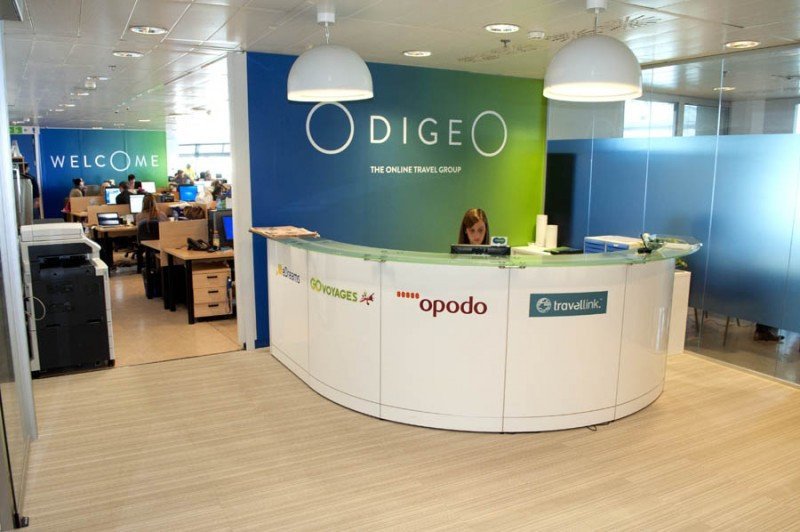
The environment was highly complex. Brands such as eDreams, GO Voyages, Opodo, Travellink and Liligo operated within the same organisation, serving international markets with multiple airlines, bookings, changes, cancellations, VIP customers and multilingual support requirements. At the time, the company described itself as Europe’s largest online travel company, the number one flight retailer in Europe and the second largest globally, with a 37% share of the European market, more than 17 million customers per year across 45 markets and connections to over 650 airlines.
The challenge was not simply to support travellers. It was to design a global operation capable of running 24/7, across eight languages, with internal teams and BPO partners distributed around the world, while maintaining operational control, consistency and quality at scale.
Service
CX Operations Design
Markets
45 international markets
Verticals
Stack


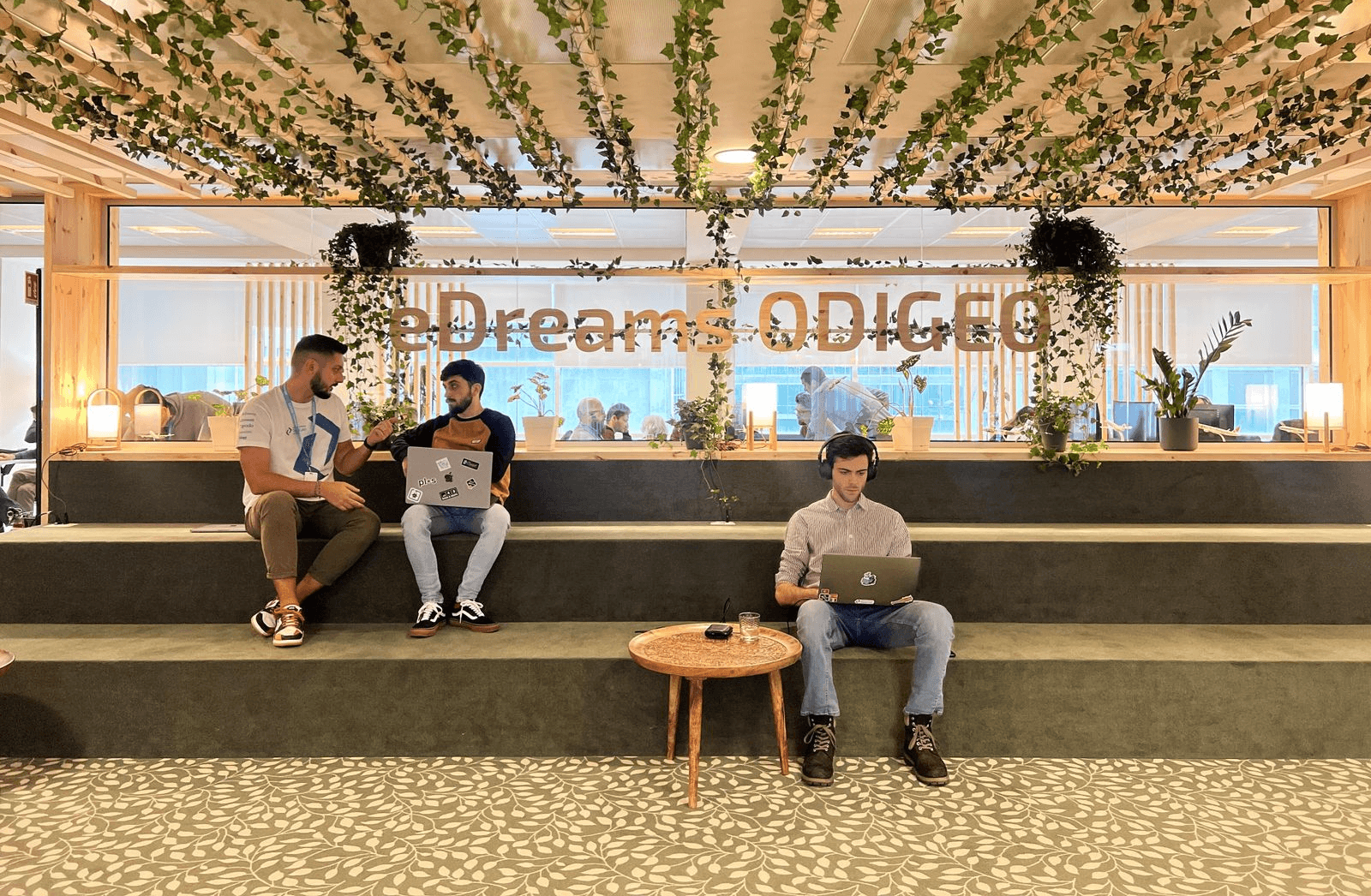
Scaling customer operations without breaking what works
In travel, a customer can have an issue with a booking, a change, or a flight at any time of day, from any market and in any language. The operation needed continuous coverage, clear prioritization criteria, and a structure capable of absorbing volume without turning every market into an island.
We designed an operational architecture for 8 languages and 24/7 coverage, separating responsibilities between front office, back office, escalations, and specialized units: coverage by language and time slot, volume distribution between sites, prioritization rules, queue management, handoffs, reporting by market, and coordination with international BPOs.
KPIs Worked On
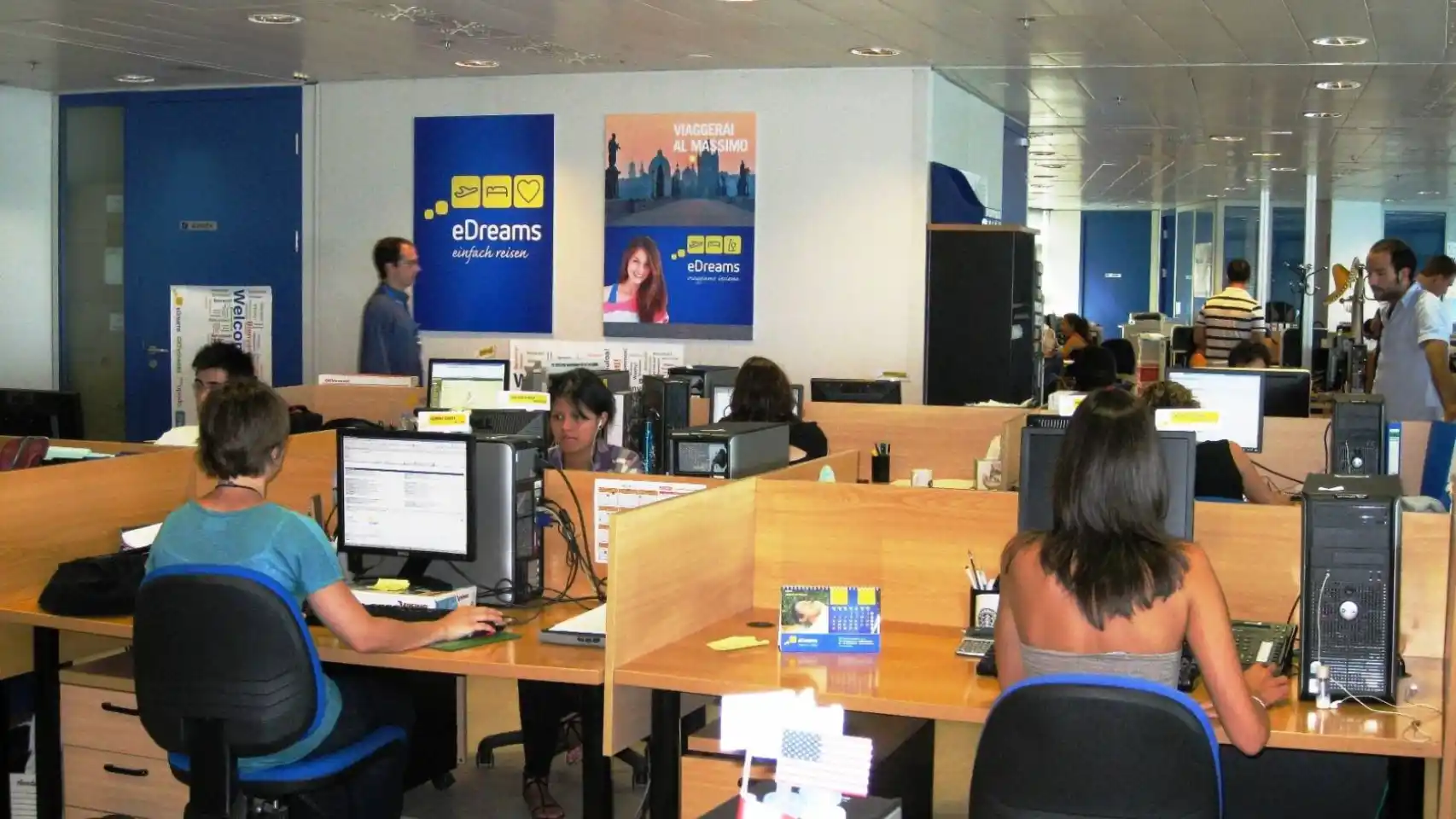
Delivering speed without sacrificing operational quality
In an OTA, not all contacts are created equal. Some require a quick response and immediate containment. Others require analysis, supplier management, system changes, and validations. Mixing everything into the same queue generates chaos: overworked agents, inconsistent responses, and a poor experience.
We designed differentiated structures of front office and back office by language and type of case. The front office focused on the front line, containment, and rapid resolution. The back office focused on complex processes: changes, operational incidents, airline management, and documentation that required more depth.
KPIs Worked On
VIP, Reservations, Low Cost, and Business Travel
In travel, the customer segment and product type completely change the operation. Managing a VIP customer is not the same as managing a low-cost booking. An individual incident is not the same as business travel. A simple query is not the same as a flight change involving fare rules, GDS, and supplier policies.
We design and coordinate specialized units: VIP for high-value customers and sensitive cases; Reservations Department for booking, changes, and validations; Low Cost with airline-specific processes; Business Travel with critical SLAs and trip continuity; and a specialized back office for complex cases that cannot be resolved at the first line of support.
KPIs Worked On
Building a global BPO network without sacrificing quality.
Scaling a 24/7 multi-language operation requires BPOs. But there lies the classic problem: when the BPO operates as a disconnected external provider, the client ends up managing quality, training, reporting, and escalations. Exactly what we avoid.
We implement and coordinate operations with BPOs across multiple regions, with a focus on building a controlled, measurable structure that is aligned with the internal operation: vendor selection, operating model, initial and ongoing training, reporting by site, on-site internal team, quality control, escalation management, and continuous improvement.
KPIs Worked On

Technology as the backbone of scalable CX.
In travel, technology is not a nice-to-have — it is the operational nervous system. Teams need to work across customer support, telephony, CRM, ticketing and reservation systems while maintaining consistency across channels, languages and case types.
The operation relied on a professional technology stack: Amadeus, Sabre and Galileo for travel management; Genesys for telephony; and Zendesk and Freshdesk for ticketing and omnichannel customer support.
KPIs Worked On
What we take away from eDreams ODIGEO
Do you operate in travel or manage a complex multilingual environment? Book a call and let’s explore how this approach could work for your business